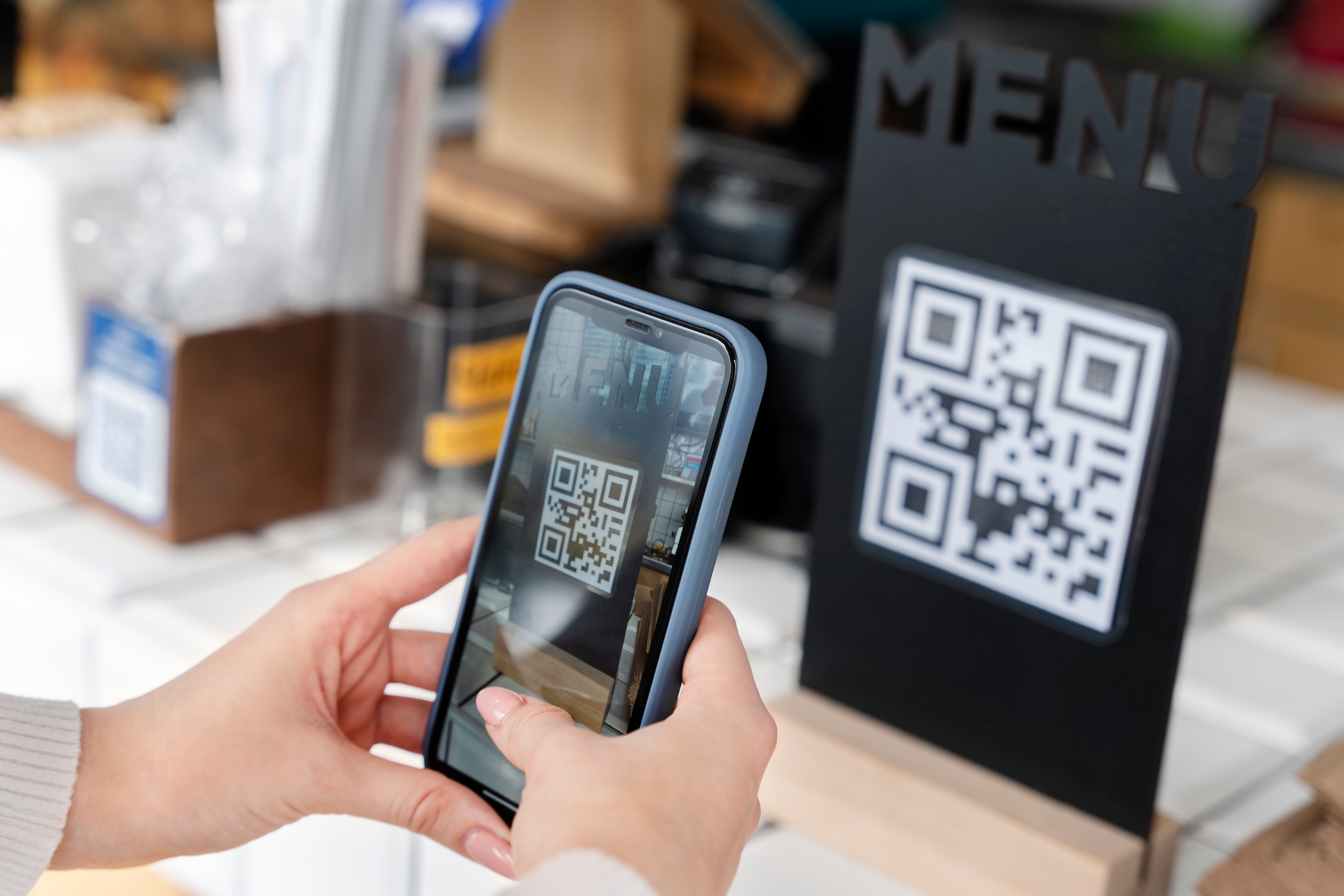
In today’s digital age, having a digital presence is a necessity, and retail businesses are continuously realising the need for innovative strategies to improve customer engagement and operational efficiency.
One of the most important innovations in the retail domain is the usage of dynamic QR codes within stores. These QR codes can be easily created using a QR code generator.
QR codes have a direct impact on creating a more customer-centric approach by sharing more information about products, discounts, loyalty programs, or even allowing customers to have a seamless payment experience within the store.
This guide goes in detail on how custom QR codes can offer a state-of-the-art shopping experience within the store by driving higher customer engagement through this innovative technology.
Introduction to QR codes
QR code stands for Quick Response code. It is a 2D structure which was first used in the automotive industry of Japan.
The usage and applications of a QR code have expanded since then because of its versatility and higher storage capacity. Even the COVID era warranted an innovative technology like a QR code to not only offer a better customer experience but to have a safer world overall.
How to generate dynamic QR codes
The customer adoption of QR codes has shot up exponentially after the advent of smartphones. Now any retail player can use an affordable QR code generator to create individual QR codes or in bulk. While dynamic QR codes offer more flexibility, those created without a subscription may face limitations such as restricted scans per month. Platforms like mobiQode offer a 14-day free trial so you can explore all features before committing to a plan.
QR code applications in retail
Here are some examples of how QR codes can be used to optimize the customer shopping experience in the retail world:
Access to product information
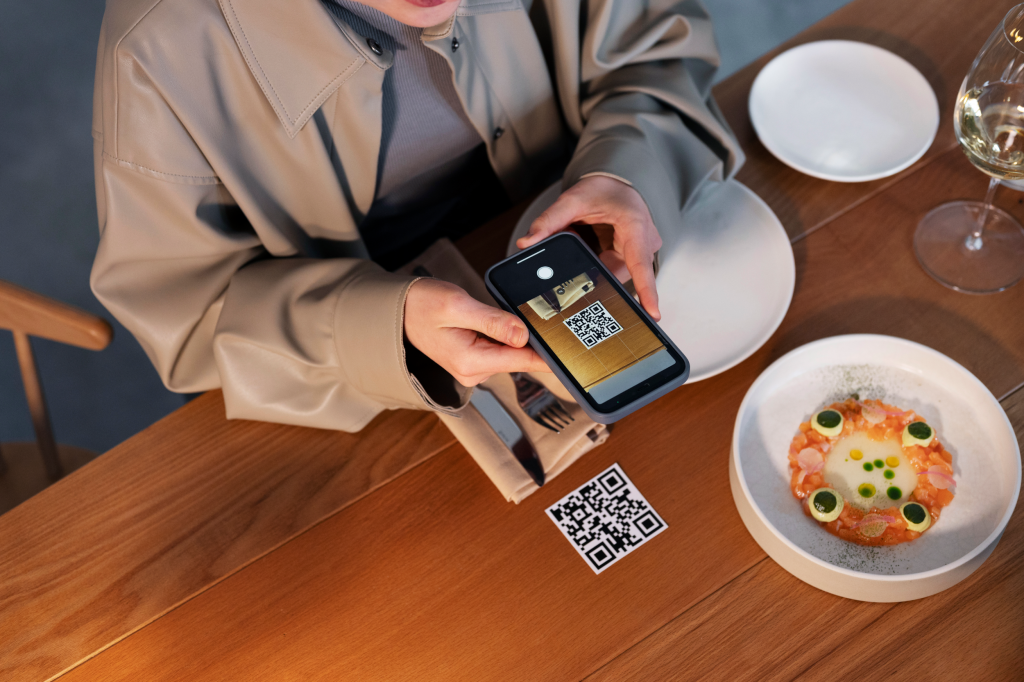
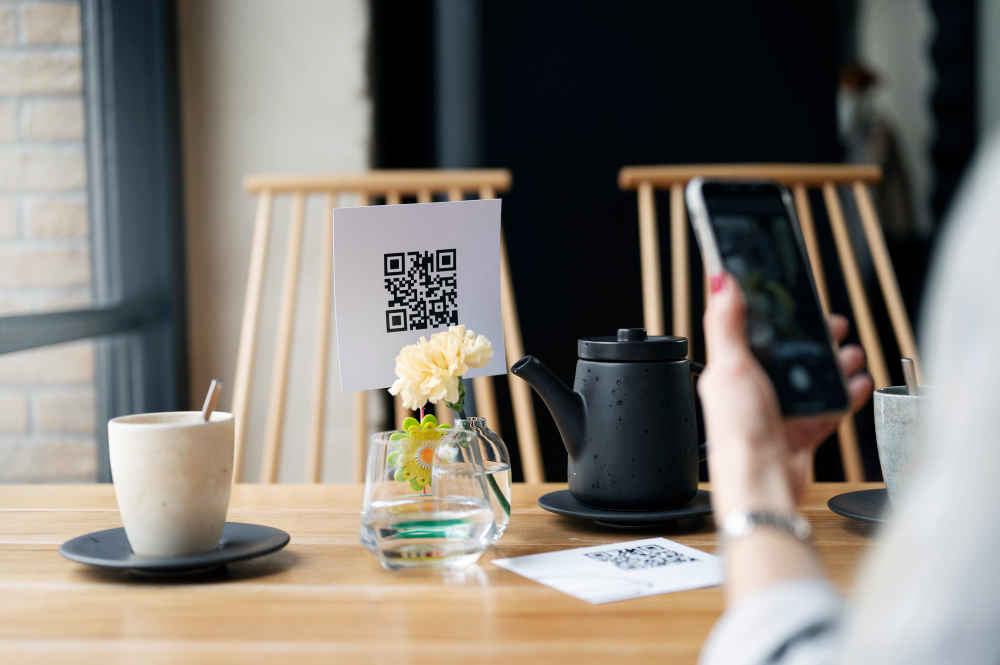
A QR code is generally placed on price tags or product shelves to give instant access to product information. Customers can easily scan QR codes directly from their smartphones without the need for a separate scanning app, emphasizing convenience and broad applicability across sectors.
Scanning a QR code can land the customer on a digital landing page which serves various use cases. Here are some examples of QR code usage in different sectors of retail:
Food and health
Customers can check the nutritional information of a health supplement or snack they are buying.
Apparel
Customers can check the size guides for their chosen clothing or apparel products.

Furniture and home decor
Customers can check the exact look and feel in 3D of certain furniture or home decor products using augmented reality technology.
Beauty and personal care
The combination of custom QR codes and augmented reality is particularly useful in the beauty and personal care industry, where many customers want to understand how a particular product will look on their skin after application.

Advantages of QR codes for product information
Better customer engagement: With QR code usage, customers are able to engage more with the product in their journey. As a result, the customer’s likelihood to convert increases manifolds because of better engagement.
Better post-purchase behaviour: Since the customer interacts directly with the product via QR codes for various pieces of information, the post-purchase journey is much better. The customer is more informed in their buying journey and less likely to file for returns.
Create Dynamic QR Codes for Your Retail Store
Start Free Trial →Optimisation of checkout processes
In any customer buying journey at a retail store, customers complain about long queues and high transaction times.
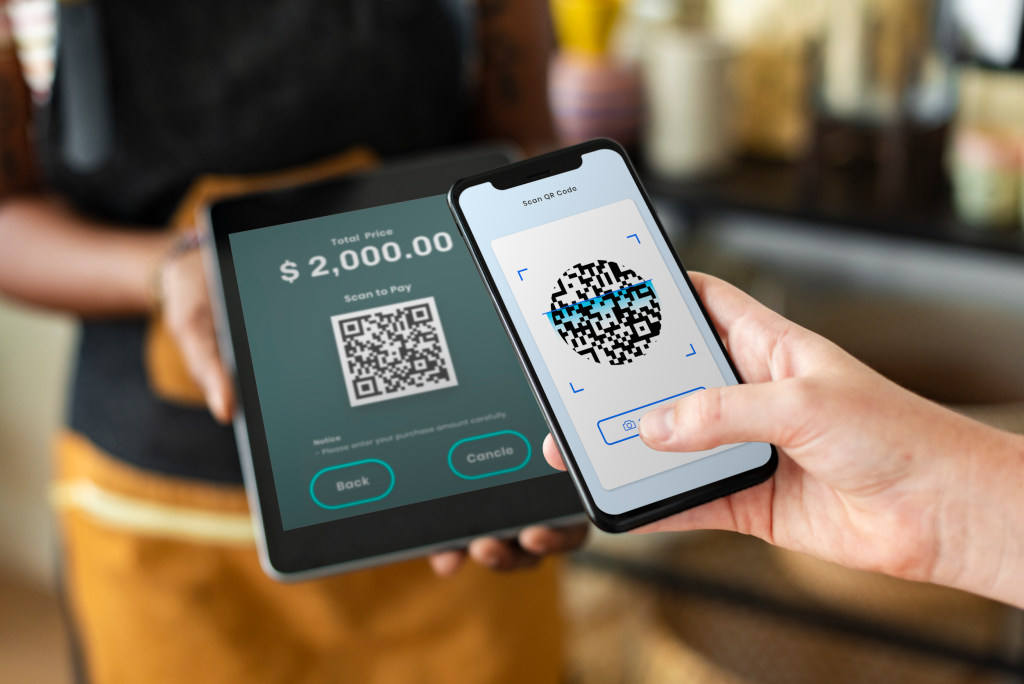
QR codes can directly address this by offering a direct way for payments using various mobile payment methods. Customers can pay via their wallets or other apps, and retailers can generate QR codes specifically designed for this purpose.
This seamless checkout journey has a direct impact on transaction times and queue lengths, leading to higher customer satisfaction.
Advantages of QR codes during checkout
Faster transactions: Scanning QR codes during payment is faster in comparison to payments via cash or credit cards.
Reduced queue lengths: Shorter queues lead to less waiting time for customers. This helps both customers and retail stores.
Dynamic marketing and promotions
Every retail marketing team uses various marketing materials like flyers, in-store banners, and digital screens.
Giving personalized offers to customers elevates satisfaction, and offering exclusive deals and promotions is possible via QR codes in a seamless manner. Retailers can create new dynamic QR codes for various promotions, showcasing the adaptability and effectiveness of QR codes in marketing strategies.

Advantages of QR codes for marketing and promotions
Better customer engagement: QR codes offer a more interactive medium to deliver deals and offers. As a result, this can lead to higher participation rates and improved coupon attachment rates.
Better conversion rate: Personalised offers have a higher likelihood of conversion since the customer feels valued because of the direct 1:1 connection between the company and the customer.
Management of loyalty programs
Loyalty programs are the most efficient way to improve customer lifetime value in the retail sector. They ensure that the company doesn’t have to incur high customer acquisition costs.
QR codes provide a direct and efficient way for customers to sign up for loyalty programs and even check their points balance and redeem history.
Advantages of QR codes for loyalty programs
Seamless integration: Loyalty program management and tracking becomes very easy with QR code integration.
Better customer retention: Earned reward points and frequent offerings of loyalty programs have a direct impact on the repurchase behaviour of customers, leading to a better retention rate.
Interactive experiences within the store
The new retail world needs new experiences to ensure the company’s offerings remain relevant. Many retail companies are using QR codes in their physical stores to create innovative experiences like store maps and gamified elements to make shopping more engaging.

Advantages of QR codes for in-store experiences
Personalisation: QR codes help improve custom shopping experiences and make customers feel more valued.
Increased time spent in store: With increased time spent in stores, customers feel more engaged with the offered experiences and are more likely to convert and return for a repurchase.
Customer feedback
Any retail company can grow only when it values customer feedback and acts on the pointers given by customers. QR code technology offers a seamless way to integrate QR codes with feedback surveys. These QR codes can be placed at the entry, exit, or at the payment kiosks of retail stores.

Advantages of QR codes for customer feedback
Instant customer feedback: Having a QR code at the right place can increase the customer propensity to give feedback, ensuring that customer issues are addressed instantly and promptly.
Best practices for implementing QR codes in retail
To leverage the benefits of QR codes, retailers should follow these best practices:
Placement: QR codes should be placed in positions which are easy to notice and scan.
Quality and clarity: QR codes should be clear in design and layout. Also, printing should be in high-quality formats to avoid blurry codes.
Mobile friendly: The linked content and landing pages should be mobile friendly.
Continuous improvement: The content linked to QR codes should be continuously optimized at regular intervals so that it stays relevant and fresh.
Data tracking and analysis: Implement analytics and tracking to analyze the efficacy of QR code placements and customer engagement.
Key takeaways
- QR codes can enhance retail experiences by providing seamless access to product information, improving checkout processes, and offering interactive and personalized experiences.
- Best practices for QR code implementation in retail involve strategic placement, timely content updates, and having a mobile-friendly layout and landing page.
- Feedback collection via QR codes is a potential game changer since it can improve customer service through real-time insights and better response rates.
Frequently asked questions
Is QR code technology cost effective?
Yes, QR code technology and implementation is very cost effective for all types of retail players. Retailers just need to enroll with a QR code generator platform and print the generated QR codes on their marketing materials or flyers.
How do retail customers use QR codes?
Customers can scan QR codes through any smartphone camera. No separate app is needed on most modern devices.
What is the future of QR codes in retail?
Any technology with a high customer engagement rate and analytics capabilities has a very promising future. QR codes are at the forefront of delivering an elevated customer experience and will continue to grow in retail applications.
Create retail QR codes with mobiQode
QR codes provide an opportunity for retail players to future-proof their business. They are cost effective and can be seamlessly integrated at various touchpoints of the retail buying journey.
The time is ripe for all retail players to start using QR code technology to set themselves apart and ensure higher customer satisfaction and engagement. Start your 14-day free trial with mobiQode to create dynamic, branded QR codes for your retail store today.
mobiQode — QR Code Generator for Retail
Start Free Trial →QR codes are transforming retail from transactional to experiential. Every touchpoint becomes an opportunity to delight, inform, and retain your customers.
Founder, mobiQode
Transform Your Retail Customer Experience With QR Codes
Start Free Trial →14-Day Free Trial · Plans from $3/mo · No Credit Card Required